Ferghana Museum
The State Museum of History and Culture of the Ferghana Region was founded in 1894. It is located in the city of Ferghana, being one of the oldest in Uzbekistan. Today, the collections of this museum of local lore contain more than 80 thousand exhibits that relate to all historical periods of the region's development and reflect its rich culture.
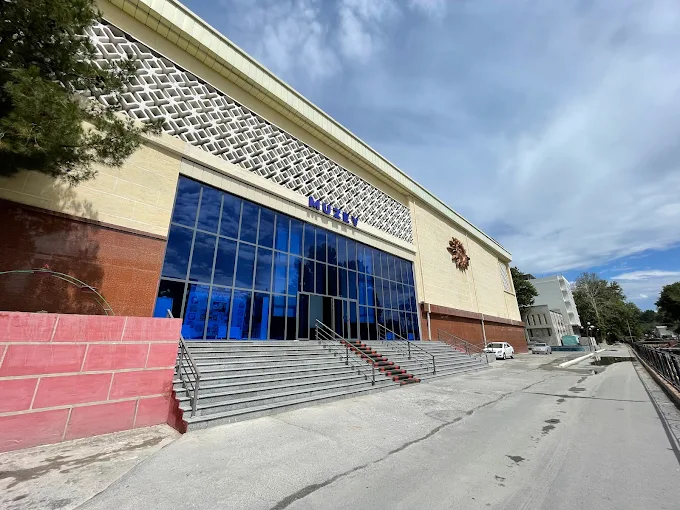
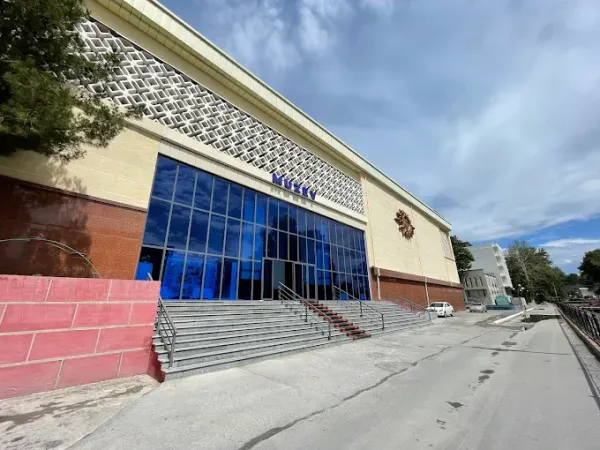
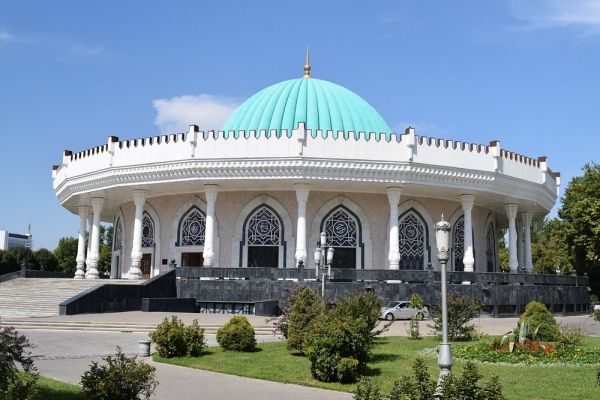
In 1985, a new building was built for the Ferghana Regional Museum of Local Lore, where it moved with all its exhibits. Today, it can be noted that it is equipped with modern museum equipment, as well as all the necessary technical means for organizing scientific and research events. The museum staff are the authors of many scientific papers, mainly devoted to the rich history of the Ferghana Valley.
After Uzbekistan gained independence, the social role of this museum in the region increased significantly. In addition to studying and restoring information about the history of the region, the museum becomes the organizer of the celebration of many significant dates for Eastern countries. Celebrations dedicated to the 900th anniversary of the Persian philosopher Burhanuddin al-Marghinani and the 1200th anniversary of one of the greatest scientists of the Middle Ages, Ahmad al—Ferghani, were organized internationally.
Expositions of the Ferghana Regional Museum of Local Lore
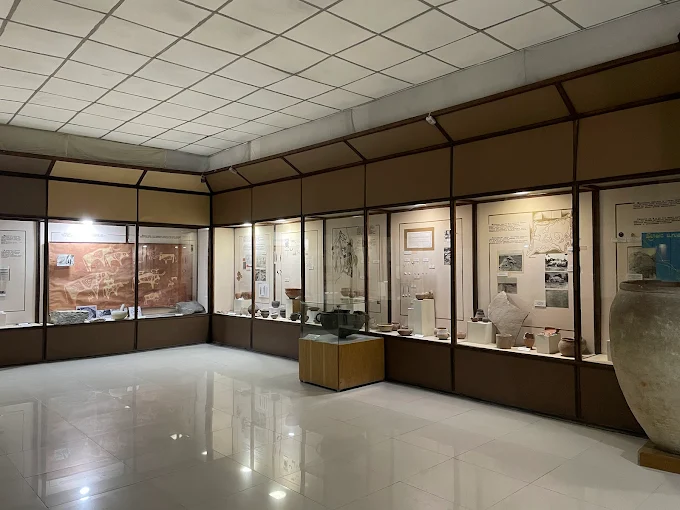
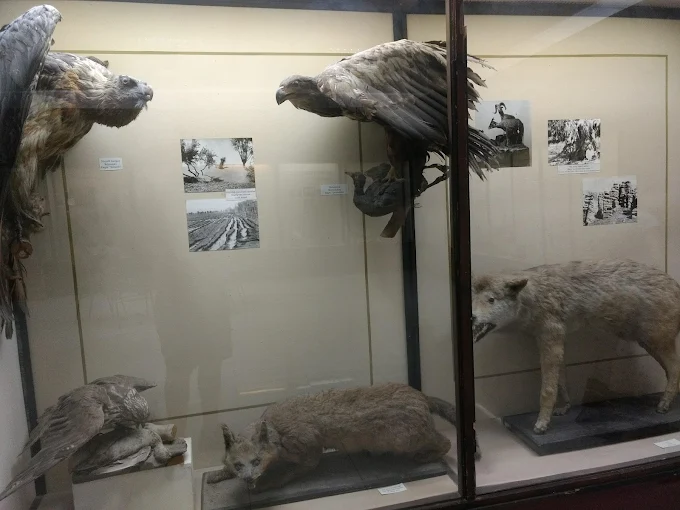
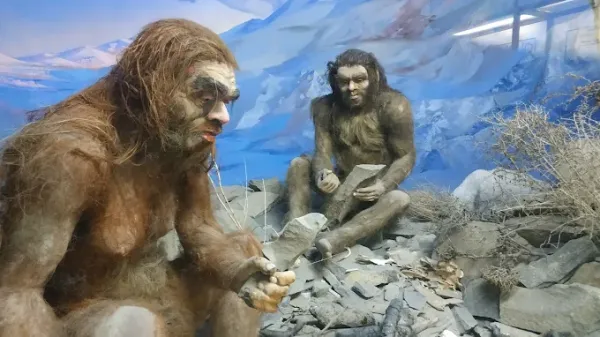
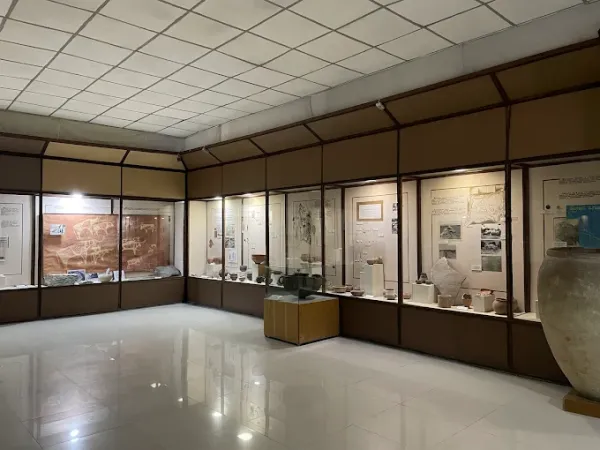
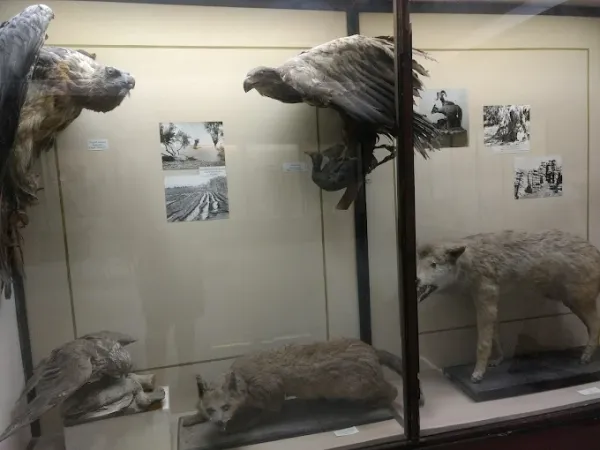
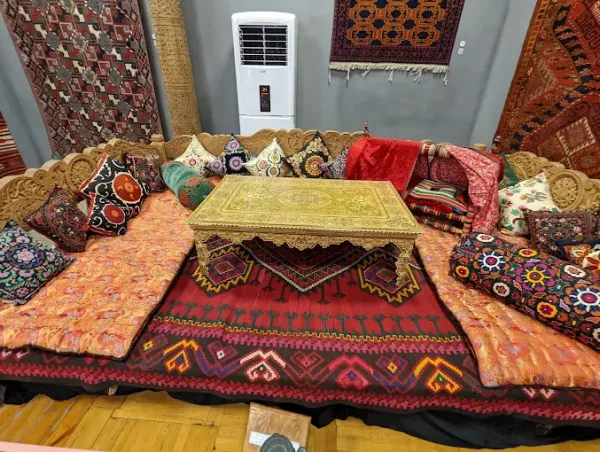
A significant part of the museum's collection consists of documents, photographs and negatives reflecting the way of life of the inhabitants of the Fergana Valley, starting from the second half of the 19th century, up to the modern period. Among the items of material heritage presented in the museum, it is worth noting a large collection of fine art, ceramics, jewelry and copper products, as well as a rich collection of textiles. The main exhibition is devoted to the history of the Ferghana Valley before the beginning of the 20th century, and its natural diversity is also well reflected here.
Archaeology
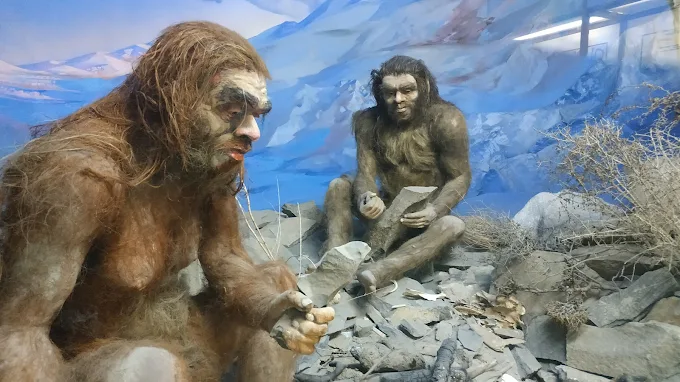
The collection of archaeological objects of the Ferghana Museum exceeds 11 thousand items of storage. They fully reflect the history of the Ferghana Valley, from the Stone Age period to the end of the Middle Ages. A significant part of the collection was accumulated by the museum staff themselves, who began conducting independent archaeological excavations in 1953, carrying out research activities in the Kungai, Sufan and Aktau burial grounds.
Sculpture and painting
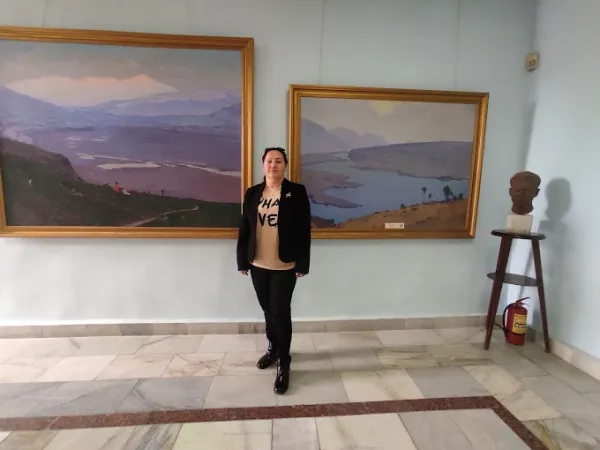
One of the most highly artistic collections of the museum, numbering more than 2 thousand paintings, tapestries and sculptures. Among the objects of fine art here are the works of famous Ferghana artists of the XIX and XX centuries, such as E. Chernyavskaya, A. Volkov, L. Bure, N. Kashina, M. Yantsin, P. Nikiforov. The collection includes more than 100 sculptures, which are the works of A. Kaptsan, O. Rakhimov, P. Ivanov, V. Shebatkov, E. Aliyev and other sculptors. Tapestries have been part of this collection since the late 1970s.
Numismatics
The Numismatics Department was established immediately after the museum started operating, in 1899. The first collection consisted of about 200 copper coins of the Kokand Khanate. In 1928, the museum's funds received from Tashkent a collection of silver and copper coins dating back to the reign of the Romanov dynasty. To date, the coin collection exceeds 8 thousand units of storage. They reflect a very extensive period of history, starting from the II century BC, ending with the modern period.
Documents and manuscripts
One of the largest collections, numbering more than 11 thousand exhibits. Since 1972, it has been allocated to a separate collection. The Kokand Khans' charters, lithographs and manuscripts, books printed during tsarist Russia, and documents related to the Ferghana region dating back to the 19th and 20th centuries are kept here. Unique exhibits are presented, such as the Quran of Hudayrkhan, books on Sharia "Mukhtasar ul-vikoya" and "Al-Hidoya", manuscripts by poets Bedil, Fusuli, Alisher Navoi, Hafiz Shirazi and many others.
Negatives and photographs
The largest collection of the Ferghana Museum, numbering more than 21 thousand photographs and negatives. Postcards printed before the October Revolution are also kept here. This museum fund is divided into 8 sections related to the history of the city of Ferghana, archeology, ethnography and various periods of the history of this region. Among the most valuable exhibits are original glass negatives from 1903 by the famous photographer Parshin, with views of Ferghana and its surroundings.
Weapon
One of the most popular collections for museum visitors, which has more than 150 samples of weapons made since the middle of the 19th century. Examples of cold steel are presented here: maces, swords, axes, daggers. As well as firearms: matchlock and hunting rifles, submachine guns, revolvers and pistols. There are examples of explosive weapons: grenades, mines and mortars, cartridges of various modifications. A special place in the collection is occupied by weapons and armor from the time of the reign of the Temurids: war clubs and axes, bows and arrows, military helmets and chain mail made of iron wire.
In addition to the above items, the Ferghana Museum houses several other collections. These are metal products (3,000 items), wood products (1,500 items), ceramics and porcelain (4,000 items), jewelry (more than 500 items), clothing and fabric (2,000 items) and a nature fund with more than 2,500 exhibits.
History
The basis for the creation of the Ferghana Museum was the exhibition of agricultural industry, held in 1884. A year later, the museum was allocated 4 rooms on the second floor of the Governor's house. The grand opening took place in 1899. At that time, the museum's collections already amounted to just over 2,200 exhibits. In the early years of its existence, the museum operated only on weekends and holidays.
In 1911, due to the difficult financial situation in the country, the museum was closed. It was rediscovered already during the Soviet era, in 1920. At that time, it received a new name — the Scientific Museum of the city of Ferghana, and its tasks were completely changed. Initially, the departments of history, nature, ethnography, numismatics, handicrafts and agriculture begin to work here. In 1928, a new department was opened — archeology, and then, in 1932, a department dedicated to the revolution.
It has been operating as a regional museum of local lore since 1938. At that time, his collection already exceeded 15,000 exhibits. Active activity in the field of archeology has been carried out here since the 1950s. For several years, the archaeological collection has been replenished with more than 3,000 exhibits. Until 1984, the Ferghana Museum was housed in a building located on Konstantinovskaya Street. The museum received its new building in 1985.



Place on the map
Tours where you can visit this place:
Ferghana Museum
Tashkent — Bukhara — Samarkand — Kokand — Ferghana — Margilan — Chimgan — Rishtan
- 880$
- 8d.

Ferghana Museum
Tashkent — Bukhara — Samarkand — Khiva — Ferghana
- 640$
- 7d.
Ferghana Museum
Tashkent — Bukhara — Samarkand — Khiva — Kokand — Ferghana — Nukus — Urgench — Khorezm — Chimgan — Rishtan
- 1340$
- 11d.