Etiquette
Familiarize yourself with the basic rules of etiquette and behavior in Uzbekistan in order to respectfully and correctly interact with local residents and culture.
Etiquette in Uzbekistan is based on centuries-old traditions of respect, hospitality and respect for elders. The local culture combines features of Oriental politeness and Islamic values, which forms a special way of social life and norms of behavior that are recommended to all visitors to the country.
The people of Uzbekistan are distinguished by their kindness and openness towards foreign guests. The greeting is usually accompanied by a smile and a slight nod of the head. When men meet, it is customary to shake hands, but handshaking is allowed between men and women only if the initiator is a woman. Otherwise, a verbal greeting is enough. The most common form of greeting is the words "Assalom alaikum" ("Peace be upon you"), to which it is customary to respond "Wa alaikum assalom" ("Peace be upon you").
Respect for elders is of particular importance in Uzbek society. When communicating with older people or those in a higher position, it is customary to speak respectfully, not raise your voice and show attention. In public places, transportation, and institutions, the younger ones usually give way to the older ones, and also help them if necessary.
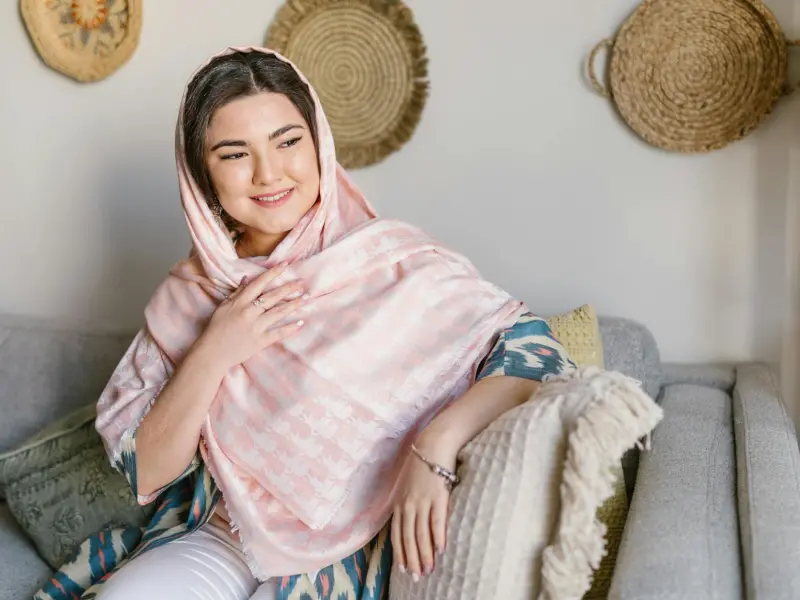
Appearance and clothing play an important role in a person's perception. Uzbekistan is a secular state, but elements of traditional culture persist here, especially in small towns and rural areas. Tourists are advised to choose discreet and neat clothes, avoiding too revealing outfits. When visiting mosques, mausoleums and other religious sites, it is necessary to observe the relevant norms: women should cover their shoulders and knees, and wear a headscarf when entering the mosque. Men are not recommended to enter religious places in shorts or T-shirts.
When inviting local residents to the house, tourists should remember that hospitality is an important part of Uzbek culture. Guests are greeted with special respect, offering tea, sweets or fruits. It is considered impolite to refuse tea or the first treats, even if you do not plan to stay for a long time. Gratitude for food and respectful behavior at the table are perceived as a sign of good upbringing. It is customary to take off your shoes before entering the house, unless the owners have suggested otherwise.
It is preferable to use the right hand at the table, since the left is traditionally considered "unclean." It is also customary to use the right hand or both hands when transferring items, money, or food.
In Uzbekistan, it is not customary to talk loudly, especially on the street, in public transport and in public places. Expressing anger or annoyance in public is considered disrespectful. Conflict situations are recommended to be resolved calmly and through dialogue.
Photographing local residents is advisable only with their permission, especially in small towns or when photographing women. This rule is dictated by respect for personal and family life.
The attitude towards religion in Uzbekistan is respectful but moderate. Despite the fact that the majority of the population professes Islam, freedom of religion and tolerance remain in the country. Tourists should not engage in religious discussions or criticize local traditions. It is also not recommended to appear intoxicated in public places, especially near mosques and holy sites.
Business etiquette in the country is also based on respect, punctuality and personal contacts. In a business environment, it is important to start a meeting with a brief conversation, showing interest in the other person, their family or activities. Business cards are handed over with both hands, and important agreements are confirmed verbally and in writing.
In general, following the norms of Uzbek etiquette is a manifestation of respect for the culture, traditions and people of the country. Politeness, moderation in behavior and sincere attitude are always perceived positively and help establish friendly relations with the local population, make the trip comfortable and memorable.